
language
As power reliability becomes increasingly critical for IT systems, industrial equipment, and home electronics, the choice of battery technology inside an uninterruptible power supply (UPS) plays a decisive role. For decades, traditional lead-acid batteries have dominated the UPS market, but lithium-ion batteries are now rapidly gaining ground. Understanding the differences between these two technologies helps users select a more efficient, reliable, and future-ready power protection solution.

Energy Density and Space Efficiency
One of the most significant advantages of lithium-ion batteries over lead-acid batteries is energy density. Lithium-ion batteries store more energy in a smaller and lighter package. This allows UPS systems using lithium-ion batteries to be more compact and easier to install, especially in environments where space is limited, such as server racks, network closets, or modern offices.
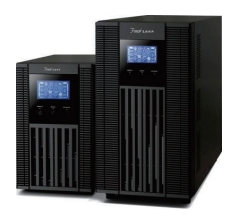
the AF900 series Online Transformerless UPS
When integrated into advanced UPS designs like the AF900 series Online Transformerless UPS, this compact battery technology supports a smaller overall footprint without compromising power capacity, making it ideal for users seeking high performance in constrained spaces.
Longer Service Life and Lower Replacement Costs
Traditional lead-acid batteries typically last three to five years under normal operating conditions. In contrast, lithium-ion batteries often provide a service life of eight to ten years. This longer lifespan significantly reduces the frequency of battery replacements, lowering long-term ownership costs and minimizing system downtime caused by maintenance.
The AF900 series UPS benefits from this advantage by pairing long-life battery technology with stable online power conversion, allowing users to maintain continuous protection while reducing operational interruptions related to battery servicing.
Faster Charging and Better Performance
Lithium-ion batteries charge much faster than lead-acid batteries and maintain more consistent performance during discharge. This means a UPS can recover more quickly after a power outage and be ready for the next event in less time. Faster recharge capability is especially important in regions with unstable power grids or frequent outages.
In an online UPS design such as the AF900 series, faster charging enhances overall system resilience, ensuring that connected equipment remains protected even during repeated power fluctuations.
Improved Efficiency and Thermal Management
Lead-acid batteries generate more heat and are more sensitive to high temperatures, which can shorten their lifespan and reduce reliability. Lithium-ion batteries operate more efficiently across a wider temperature range and produce less heat during operation.
The AF900 series Online Transformerless UPS single phase input and single phase output has perfect detection and protection functions, small size, light weight, and high working efficiency. When combined with lithium-ion battery technology, this efficiency translates into reduced cooling requirements and improved system stability.
Advanced Monitoring and Smart Management
Modern UPS systems increasingly rely on intelligent monitoring to ensure optimal performance. Lithium-ion batteries are well suited for advanced battery management systems that provide real-time data on battery health, charge status, and remaining runtime.
The AF900 series enhances this capability with user-friendly monitoring software that facilitates centralized and remote monitoring of the UPS. An LED display or LCD display panel allows users to intuitively understand the operating status of the UPS, making it easier to manage lithium-ion battery performance and plan maintenance proactively.
Environmental and Operational Benefits
Lithium-ion batteries generally have a lower environmental impact over their lifecycle due to longer service life and higher efficiency. Fewer replacements mean reduced material consumption and less waste. Additionally, the lighter weight of lithium-ion batteries simplifies transportation and installation, reducing labor costs and deployment time.
When comparing lithium-ion batteries with traditional lead-acid batteries in UPS applications, the advantages are clear: higher energy density, longer lifespan, faster charging, better efficiency, and smarter monitoring capabilities. By integrating lithium-ion battery technology with a high-performance online UPS such as the AF900 series Online Transformerless UPS, users gain a reliable, efficient, and future-ready power protection solution that meets the demands of modern electronics and critical systems.
About FORS
Jiangsu FORS New Energy Co., Ltd. is a high-tech enterprise specializing in the research, development, and manufacturing of advanced power supply products to global market, meeting the critical needs of various industries. Our UPS products are designed to provide continuous and reliable energy, ensuring operational efficiency and protection against power interruptions.
To learn more, please don't hesitate to contact us via email at sales@fors-ups.com, or visit our website at www.fors-ups.com.
Phone+86 400-688-1810
E-mailsales@fors-ups.com


 English
 Russian
 French
 Spanish
 Portuguese
 Arabic
 Vietnamese
 Turkish